Help me create a flexible marketing plan for the book, Possible Planet: Pathways to a Habitable Future, published May 14, 2026 by Xlibris, that takes into account that we are presently in Portland OR, traveling back to our home in Rochester, NY, sometime after July 4. What could we do to encourage sales along the way? And what should be the ultimate goal of marketing the book anyway? Is it developing another mailing list? How can we leverage it to have Possible Planet be able to make a greater difference? Should we try to connect potential readers with the work of the Possible Planet Lab, or is that just complicating matters and bringing up something that is increasingly a trigger word for folks in the ecological movement? We’ll likely have to alter and refine parts of it to accommodate my limitations, so imagine this as an iterative process. Our intended route back is the northern route through the Rockies, but we have not mapped it out yet. One possibility is to arrange meetings with colleagues in the EcoRestoration Alliance and members of the Design School along the way (though we also want to visit Yellowstone and see the South Dakota Badlands along the way). So this is part high-level marketing strategy and plan, and partly an itinerary for the return trip.
I would not make the ultimate goal “developing another mailing list.” The mailing list is infrastructure. The real goal is to turn Possible Planet into a convening instrument: a way to identify readers, hosts, funders, practitioners, and local stewards who want to move from ecological concern into regenerative practice.
The book is now publicly orderable as of May 14, 2026, and the Possible Planet site already points readers from the book toward Possible Planet Lab; Xlibris’s listing frames the book as a pathway from extractive norms toward restoration, resilience, equity, and planetary reciprocity. That gives you a strong but delicate bridge: the book should remain the front door; the Lab should be the deeper doorway for people who are ready. (possibleplanet.org)
1. The core marketing thesis
The campaign should not be “buy my book.” It should be:
Possible Planet is an invitation to become part of a distributed learning community for a habitable future.
That community can include readers, reading circles, local regenerative projects, EcoRestoration Alliance collaborators, Design School colleagues, students, funders, and eventually Possible Planet Lab participants. But the public-facing language should be regeneration, bioregional learning, ecological intelligence, and practical pathways—not “planetary intelligence” as the lead phrase.
Your instinct is right: “planetary intelligence” can sound technocratic, AI-inflected, or abstract to people in the ecological movement. I would not retire it, but I would segment it:
For general readers: Possible Planet / pathways to a habitable future
For ecological practitioners: bioregional learning and regeneration
For DSRE / ERA / systems thinkers: collective ecological intelligence
For funders, researchers, and tool-builders: Possible Planet Lab / planetary intelligence / AI in service to life
This matches the internal logic of the Lab concept, which frames the Institute/Lab as a field-building, applied, and service platform for better ecological sensemaking, bioregional dashboards, restoration tools, and decision support—not AI as a substitute for human judgment.
2. What success should look like
For the return trip, the realistic goal is not a big book tour. It is a low-stress relationship-and-signal tour.
A good target would be:
| Outcome | Practical goal |
|---|---|
| Direct book sales along the way | 25–75 signed copies |
| Email / contact signups | 50–150 people |
| Serious conversations | 8–12 |
| Hosts for future reading circles | 3–5 |
| Public reviews | 10–20 |
| Potential partners / funders / advisors | 3–6 |
| Road-trip essays or posts | 4–6 |
The deeper goal is to come home with a stronger platform: not only “the book exists,” but “the book has begun to gather a circle.”
3. The offer stack
You need three simple offers, not ten.
Offer 1: Buy or gift the book.
Signed copies from you are best on the road. QR code for online ordering should be on every handout.
Offer 2: Join the Possible Planet Field Notes list.
Do not call it a newsletter if that feels tired. Call it Field Notes from a Possible Planet or The Possible Planet Reader Circle.
Offer 3: Host a small conversation.
The ask should be: “Would you host 6–12 people for a conversation about what regeneration means in this place?”
That third offer is the one that matters most. It turns readers into conveners.
4. Portland before July 4
Portland should be treated as a soft relaunch, not merely a stop. Your previous road-trip brochure already framed the trip as a bioregional learning journey, with outreach targets including independent bookstores, sustainability cafés, universities, watershed organizations, climate/resilience groups, co-ops, libraries, and intentional communities.
Near-term Portland actions:
- Do one informal salon, preferably hosted by someone else. Title:
Possible Planet: What Does It Mean to Inhabit the Earth Now?
Not “book launch,” not “AI,” not “planetary intelligence.” - Approach bookstores lightly. Portland has strong bookstore/event infrastructure—Powell’s, Broadway Books, and Annie Bloom’s all maintain event listings—but for this short window, a formal event may be unrealistic. Ask instead whether they would take signed copies on consignment, allow a meet-and-greet, or keep a shelf copy. (Powell’s Books)
- Record one 3-minute Portland video.
Prompt: “We came west with a book about a habitable future. What we are learning is that the future is bioregional.” - Prepare a one-page road handout.
Front: book cover, short description, QR code.
Back: “Three ways to participate: read, host, connect.”
5. The return route as a flexible campaign
The northern return route should be organized around three kinds of stops:
Restorative stops: Yellowstone, Badlands, quiet nights, no selling.
Relationship stops: DSRE, ERA, regenerative agriculture, bioregional colleagues.
Public-facing stops: bookstores, libraries, cafés, small salons.
Do not schedule public events on consecutive nights. At your age and given the limits you have mentioned, the operating rule should be:
One meaningful engagement every two or three travel days.
Draft route framework
| Segment | Route | Marketing / learning use |
|---|---|---|
| Portland → Columbia Gorge / Pendleton / Baker City | Start east slowly | No event. Field note on the Columbia, salmon, energy, settlement, watersheds. |
| Baker City / Pendleton → Boise | First possible outreach stop | Boise has active climate/resilience framing through the city’s climate action work; Rediscovered Books is an independent bookstore with author-event activity. (City of Boise) |
| Boise → Idaho Falls / West Yellowstone | Positioning leg | Keep light. Contact DSRE/ERA people ahead of time, but avoid overbooking. |
| Yellowstone area | 1–2 nights minimum | No sales agenda. Yellowstone roads and conditions can change quickly, so check NPS road status before entry; the park specifically advises checking road status, entrance conditions, webcams, and alerts. (National Park Service) |
| Yellowstone → Bozeman / Livingston | Strongest Montana engagement stop | Country Bookshelf in Bozeman hosts author events; Western Sustainability Exchange near Livingston is explicitly aligned with regenerative agriculture. (Country Bookshelf) |
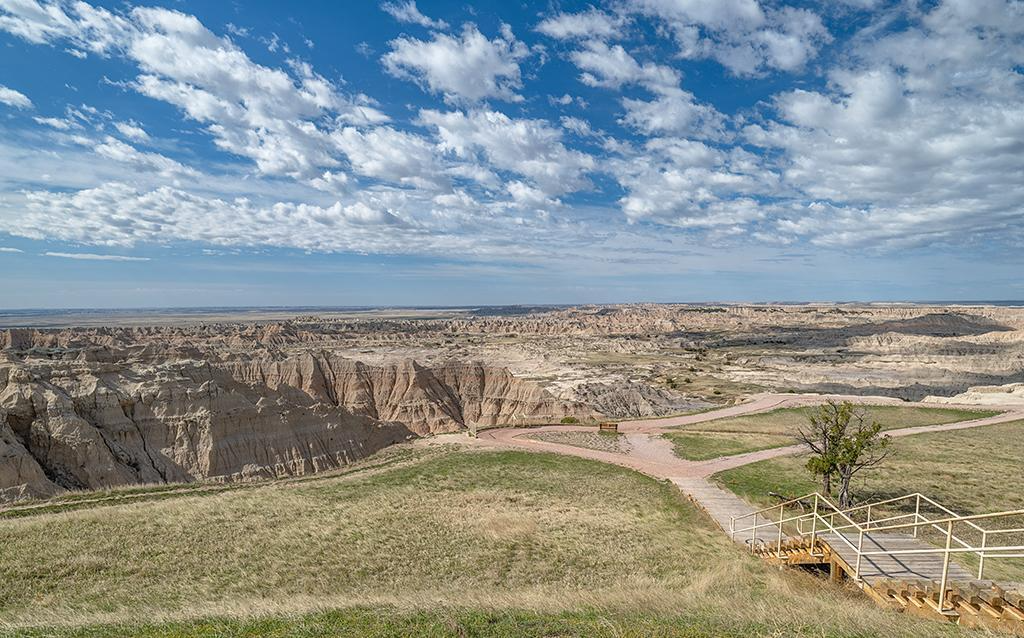
| Bozeman / Billings / Cody → Rapid City / Badlands | Landscape + public talk option | Mitzi’s Books is a plausible Rapid City bookstore target; Badlands requires weather awareness, since NPS notes variable weather and hot, dry summers. (Mitzi’s Books) |
| Rapid City / Badlands → Sioux Falls → La Crosse / Madison / Milwaukee | Midwest re-entry | This is where DSRE contacts may matter more than bookstores. Small salon > formal talk. |
| Wisconsin / Illinois / Indiana / Ohio → Rochester | Closing leg | Avoid adding too much. One final Cleveland/Erie stop only if someone else hosts. |
| Rochester return | Homecoming relaunch | “From the Columbia to the Genesee: Field Notes from a Possible Planet.” |
Portland to Yellowstone is a substantial trip—public route tools estimate roughly 800+ road miles depending on exact destination—and Rapid City to Rochester, NY is roughly 1,500 miles, so the eastbound portion needs to remain humane rather than performative. (Travelmath)
6. Best stops for actual sales
The highest-value stops are not necessarily the largest cities. They are places where the book’s themes are already alive.
Priority A: small hosted gatherings
These will outperform cold bookstore appearances. Ask DSRE/ERA colleagues: “Who along this route would host a small Possible Planet conversation?”
Priority B: independent bookstores with event culture
Possible targets: Rediscovered Books in Boise, Fact & Fiction in Missoula, Country Bookshelf in Bozeman, Mitzi’s Books in Rapid City. All show some combination of independent bookstore identity, upcoming events, or author-event activity. (RD Books)
Priority C: libraries, co-ops, cafés, climate groups
These are often better than bookstores for self-published or Xlibris-published books, because the event is not dependent on retail stocking systems.
Priority D: colleges and environmental programs
Probably more useful for later follow-up than this trip unless you already have a contact.
7. The Lab question: yes, but indirectly
I would not make “Possible Planet Lab” the dominant message on the road.
Instead, use this ladder:
- The book asks: What pathways could make a habitable future possible?
- The conversation asks: What does that mean here, in this watershed or bioregion?
- The network asks: Who is already doing the work?
- The Lab asks: What tools, maps, evidence, and decision-support systems would help?
That keeps the Lab from feeling like an abstract overlay. It becomes a service to the work, not a brand competing with the book.
A good phrase: “Possible Planet Lab is where we are beginning to translate the book’s ideas into tools, field notes, maps, and practical support for regenerative work.”
Avoid leading with: “AI,” “planetary intelligence,” “institute,” or “advanced intelligence.” Those can come later with the right audience.
8. Immediate next steps
Before you leave Portland, I’d do this:
- Finalize a one-page book/road handout with QR codes.
- Identify 3 anchor conversations on the route: Boise, Bozeman/Livingston, Rapid City or Madison/Milwaukee.
- Bring or ship 25–50 author copies if feasible.
- Create a simple signup form with four checkboxes:
“Reader,” “Host a conversation,” “Practitioner/partner,” “Lab/tool-building interest.” - Publish the first road note:
“Possible Planet on the Road: From Book Launch to Bioregional Learning Journey.”
The discipline is to keep this iterative. The return trip should not become a burden. It should become a series of light touches, serious conversations, and field notes that make the book feel alive.
Please create a summary of this plan.
Summary: Flexible Marketing and Return-Trip Plan for Possible Planet
The marketing plan should treat Possible Planet: Pathways to a Habitable Future not simply as a book to sell, but as a convening tool: a way to gather readers, local hosts, restoration practitioners, funders, and collaborators around the question of how to create a habitable future.
The main goal is not just to build another mailing list, although a contact list is useful. The deeper goal is to use the book to open conversations, seed local reading circles, identify allies, and connect people with regenerative work already happening in their own places.
Core strategy
The public-facing message should center on:
Possible Planet is an invitation to move from ecological concern into regenerative practice.
For general readers, lead with the book and its practical, hopeful framing. For ecological and bioregional audiences, emphasize regeneration, inhabitation, watershed learning, restoration, and local action. The Possible Planet Lab can be introduced later as a practical extension of the book, but it should not dominate the first-level message.
The term “planetary intelligence” should be used selectively. It may resonate with systems thinkers, funders, and Design School colleagues, but it could sound too abstract, technocratic, or AI-adjacent for some ecological audiences. The better bridge language is:
bioregional learning, ecological intelligence, regenerative practice, and tools for local transformation.
The three simple offers
Every encounter on the road should point to three clear actions:
- Read or gift the book.
Sell signed copies when possible; provide QR codes for online ordering. - Join Field Notes from a Possible Planet.
This can be the mailing list, but framed as a reflective journey rather than another newsletter. - Host a small conversation.
Invite people to gather 6–12 others for a local discussion: “What would a possible planet mean here?”
Portland before departure
While still in Portland, the best use of time would be to do a light “soft relaunch”:
Hold one informal salon or house gathering with a title such as:
Possible Planet: What Does It Mean to Inhabit the Earth Now?
Also consider approaching local independent bookstores for signed copies or consignment, recording a short Portland video, and creating a one-page road handout with the book cover, QR code, short description, and three participation options.
Return-trip structure
The trip back to Rochester should be treated as a bioregional learning journey with occasional book engagements, not a heavy book tour.
Stops should fall into three categories:
| Stop type | Purpose |
|---|---|
| Restorative stops | Yellowstone, Badlands, quiet travel days, no selling |
| Relationship stops | Meetings with ERA, DSRE, regenerative colleagues |
| Public-facing stops | Bookstores, libraries, cafés, salons, small gatherings |
The key operating rule should be:
No more than one meaningful engagement every two or three travel days.
That keeps the trip humane and adaptable.
Possible route logic
A flexible northern route could include:
Portland → Columbia Gorge → Boise → Idaho Falls / West Yellowstone → Yellowstone → Bozeman / Livingston → Rapid City / Badlands → Sioux Falls / Wisconsin → Cleveland / Erie → Rochester.
The strongest potential engagement stops are likely to be:
Boise, Bozeman/Livingston, Rapid City, Madison/Milwaukee, and possibly Cleveland/Erie.
But the best events will probably come through personal networks rather than cold bookstore outreach. A hosted living-room or community-space conversation may be more effective than a formal author event.
How to use Possible Planet Lab
The Lab should be connected to the book, but gently.
A good sequence is:
- The book asks: What pathways can lead to a habitable future?
- The conversation asks: What does that mean in this place?
- The network asks: Who is already doing the work?
- The Lab asks: What tools, maps, evidence, and support would help?
This makes the Lab feel like a service platform, not a competing brand or abstract institutional layer.
Practical goals for the trip
A realistic return-trip campaign might aim for:
| Goal | Target |
|---|---|
| Signed book sales | 25–75 |
| New contacts | 50–150 |
| Serious conversations | 8–12 |
| Potential reading-circle hosts | 3–5 |
| Reviews or testimonials | 10–20 |
| Partner/funder/advisor leads | 3–6 |
| Road-trip posts or field notes | 4–6 |
Immediate next steps
Before leaving Portland:
- Create a one-page handout with QR codes.
- Set up or refine a simple signup form.
- Identify three possible anchor gatherings along the route.
- Ask ERA and DSRE colleagues who might host or meet along the way.
- Decide how many author copies to carry or ship ahead.
- Publish a first road note:
“Possible Planet on the Road: From Book Launch to Bioregional Learning Journey.”
The plan should remain iterative. The return trip should not become an exhausting sales campaign. It should become a series of meaningful encounters, reflective field notes, and small acts of convening that help the book begin doing its real work.